
Advice & Insights

Practical tips, event guidance and expert advice on PA hire, sound systems and equipment repairs across the North East.

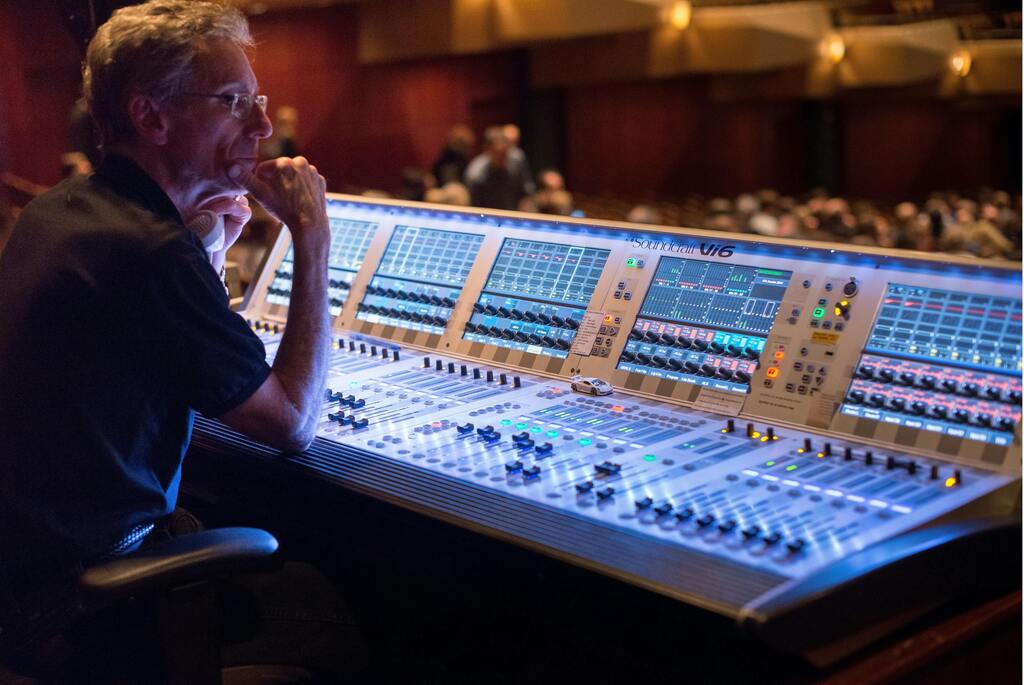
How to Choose the Right PA System for Your Event

Choosing the right PA system can make the difference between a smooth, professional event and one filled with sound issues and frustration. Whether you’re organising a wedding in Newcastle, a birthday party in Sunderland or a corporate event in Durham, the right sound setup ensures every speech, announcement and song is heard clearly.


Many people underestimate how important proper sound equipment is. Too little power results in muffled audio, while too much in a small space can feel overwhelming. In this guide, we’ll walk through the key factors to consider when choosing the right PA system for your event.


1. Consider the Size and Type of Venue

The venue is one of the most important factors when selecting a PA system. A small indoor function room will require a completely different setup compared to a large hall or outdoor space. Room acoustics, ceiling height and layout all affect how sound travels.


Here’s a general guide:

  • Small rooms (up to 50 guests) – Compact speaker setup is usually sufficient
  • Medium venues (50–150 guests) – Higher-output speakers and possibly subwoofers
  • Large venues or outdoor spaces – Full PA systems with multiple speakers and subs


Outdoor events, in particular, require more power because there are no walls to contain and reflect sound. Wind and open space can quickly reduce volume and clarity. If you’re unsure, it’s always safer to slightly overestimate power (within reason) than risk underpowered audio.


2. Estimate Your Guest Numbers

Guest numbers directly affect how much coverage your PA system needs. A system suitable for 40 guests at a birthday celebration won’t perform well for 200 guests at a wedding reception.When estimating sound requirements, consider:

  • Total guest numbers
  • Whether guests will be seated or standing
  • Whether the audience will be spread across multiple areas
  • Dance floor or performance area size


More guests require broader sound distribution to ensure everyone hears clearly without distortion.

Positioning also matters. Multiple speakers placed correctly will deliver clearer audio than a single speaker pushed too hard.


3. Understand the Type of Event

Different types of events require different audio setups. For example:


Weddings

You may need:

  • Clear speech microphones for ceremony and speeches
  • Background music during reception
  • Stronger system for evening entertainment


Corporate Events

You’ll need:

  • Reliable microphones
  • Clear voice projection
  • Minimal feedback and interference


Live Performances

Bands and performers require:

  • Stage monitors
  • Mixing desk
  • Subwoofers
  • Multiple microphone inputs


Private Parties

Often require:

  • Music playback system
  • Microphone for announcements
  • Compact but powerful speaker setup


Choosing equipment based purely on venue size without considering event type can lead to problems.


4. Do You Need a Sound Engineer?


For smaller private events, a simple plug-and-play system may be enough. However, for weddings, live performances or larger gatherings, having a professional sound engineer can make a huge difference.


A sound engineer will:

  • Set up equipment correctly
  • Balance microphone and music levels
  • Prevent feedback issues
  • Monitor sound quality throughout the event
  • Troubleshoot instantly if issues arise


This gives you peace of mind, allowing you to focus on enjoying or running the event rather than worrying about technical problems. For large or important occasions, professional support is highly recommended.


5. Equipment Quality and Reliability


Not all PA systems are equal. The quality and maintenance of the equipment plays a significant role in performance. Professional-grade systems provide:

  • Clearer audio
  • Better bass response
  • Stronger durability
  • Reduced risk of technical failure


Well-maintained equipment is less likely to experience issues such as distortion, buzzing, crackling or power faults.


It’s also important to ensure the system includes all necessary accessories, such as:

  • Cables
  • Stands
  • Microphones
  • Backup components (if required)


Reliable equipment reduces stress and ensures your event runs smoothly.


6. Think About Setup and Logistics

Delivery, setup and collection should also be considered when hiring a PA system.


Ask yourself:

  • Who will transport the equipment?
  • How long does setup take?
  • Is there easy access to the venue?
  • Are there power limitations?


Professional providers handle logistics efficiently, ensuring equipment is installed safely and correctly. Improper setup can result in uneven sound coverage or safety hazards, so this is not something to overlook.


Final Thoughts

Choosing the right PA system isn’t just about speakers and volume. It’s about understanding your venue, guest numbers, event type and technical requirements. A properly selected and professionally installed sound system ensures:

  • Clear speeches
  • Balanced music
  • Consistent coverage
  • A professional experience for your guests


If you’re unsure which setup is right for your event, seeking expert advice can save time, prevent stress and ensure everything sounds exactly as it should.


Need professional PA hire or equipment repairs in the North East? Contact Amplified Stage today for expert support.
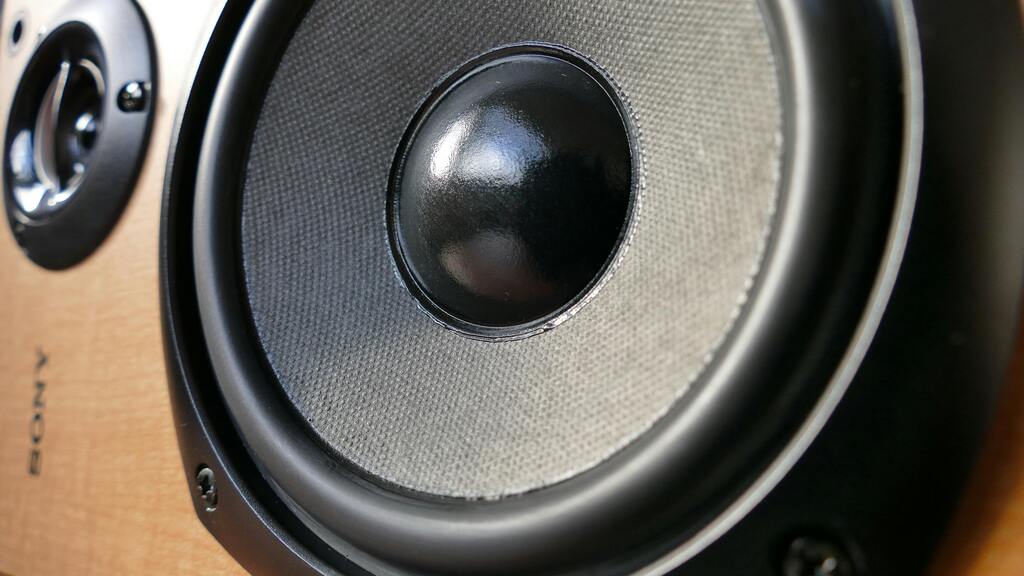

Common Causes of Speaker Failure (And How to Avoid Them)

Professional PA speakers are built to deliver powerful, clear sound but like any electronic equipment, they can fail if not properly maintained or used correctly. Whether you’re a DJ, venue owner or event organiser in the North East, understanding the common causes of speaker failure can help you avoid costly repairs and downtime.


In this guide, we’ll explain the most frequent reasons speakers fail and what you can do to extend their lifespan.


1. Overpowering or Clipping

One of the most common causes of speaker damage is overpowering, pushing the system beyond its limits. When an amplifier is driven too hard, it can produce a distorted signal known as clipping. Clipping sends a harsh, square-wave signal to the speaker, which can quickly overheat and damage the voice coil.


Signs of clipping include:

  • Harsh or distorted sound
  • Crackling at high volumes
  • Speakers becoming excessively hot
  • Sudden loss of output


To avoid this:

  • Match your amplifier correctly to your speakers
  • Avoid running the system at maximum volume for long periods
  • Use a limiter where possible
  • Monitor sound levels carefully


Proper gain structure is key to preventing long-term damage.


2. Blown Drivers from Excessive Bass


Bass-heavy music can put significant strain on speakers, especially if subwoofers aren’t being used correctly. Low frequencies require more power to reproduce. If bass levels are too high, the speaker cone may overextend, causing physical damage to the driver.


Common symptoms include:

  • Rattling or buzzing noises
  • Reduced bass response
  • Distorted low-end sound


To prevent this:

  • Use subwoofers for low frequencies instead of pushing full-range speakers too hard
  • Adjust EQ settings responsibly
  • Avoid extreme bass boosts


Using the right system configuration makes a huge difference in speaker longevity.


3. Overheating and Poor Ventilation

Heat is a major enemy of electronic equipment. Active (powered) speakers contain built-in amplifiers, which generate heat during operation. If ventilation is blocked or the speaker is placed in a confined space, overheating can occur.


Overheating can lead to:

  • Amplifier failure
  • Thermal shutdown
  • Permanent internal damage


To reduce risk:

  • Ensure proper airflow around speakers
  • Avoid covering ventilation ports
  • Do not stack equipment tightly without space for cooling
  • Allow systems to cool down after long events


Regular inspection and cleaning of vents also helps prevent overheating issues.


4. Electrical Surges and Power Issues


Unexpected power surges can cause serious damage to speaker components. This is especially common at outdoor events, temporary venues or older buildings with unstable electrical supply.


Power-related damage may result in:

  • Speakers not turning on
  • Intermittent signal loss
  • Internal component failure


To protect your equipment:

  • Use surge protectors
  • Use high-quality extension cables
  • Avoid overloading power sockets
  • Check venue power sources before setup


Stable power is essential for safe equipment operation.


5. Physical Damage and Transportation Issues

Speakers are often transported between venues, which increases the risk of physical damage.


Common issues include:

  • Dropped cabinets
  • Damaged connectors
  • Loose internal components
  • Torn speaker cones


Improper handling can significantly reduce performance or cause total failure.


To minimise risk:

  • Use protective flight cases
  • Secure speakers properly during transport
  • Avoid stacking heavy items on top
  • Inspect equipment before and after each use


Physical care is just as important as technical maintenance.


6. Moisture and Environmental Exposure

Outdoor events, damp storage areas or accidental spills can expose speakers to moisture.


Moisture can lead to:

  • Corrosion of internal components
  • Short circuits
  • Speaker cone damage
  • Rusted connectors


To avoid moisture damage:

  • Store equipment in dry, climate-controlled areas
  • Avoid leaving speakers outside overnight
  • Use protective covers for outdoor use
  • Allow wet equipment to fully dry before powering on


Environmental care greatly extends equipment lifespan.


7. Lack of Regular Maintenance

Like any professional equipment, PA systems benefit from regular checks and servicing. Ignoring small warning signs can lead to larger, more expensive problems later.


Warning signs to watch for:

  • Gradual loss of clarity
  • Intermittent signal
  • Unusual noises
  • Loose connectors


Regular inspection by experienced engineers can identify minor issues before they become major repairs.


Final Thoughts

Speaker failure is often preventable. Overpowering, poor ventilation, electrical surges and physical damage are among the most common causes, but with careful use and proper maintenance, you can significantly extend the life of your equipment. Understanding how to operate and protect your PA system not only saves money but also ensures reliable performance at every eventIf you notice unusual sounds, reduced performance or power issues, addressing the problem early can prevent further damage.


Need professional PA hire or equipment repairs in the North East? Contact Amplified Stage today for expert support.
What Size Sound System Do I Need For My Wedding?

Planning a wedding involves dozens of important decisions and sound is one of the most overlooked. From the ceremony to speeches and the evening reception, clear and reliable audio ensures every moment is heard and enjoyed by your guests. If you’re getting married in Sunderland, Newcastle, Durham or anywhere across the North East, choosing the right size PA system depends on several key factors. In this guide, we’ll break down exactly what you need to consider so your wedding sounds as good as it looks.


1. Start With Your Guest Numbers

The number of guests attending your wedding plays a major role in determining the size of the sound system required.


Here’s a simple breakdown:

Up to 50 guests – Compact PA system

50–120 guests – Medium-sized system with stronger output

120+ guests – Larger system with subwoofers and multiple speakers


More guests require wider sound coverage to ensure everyone hears speeches and music clearly. A system that’s too small may struggle to fill the space, especially during the evening reception.


2. Consider Your Venue Type

Your venue has a big impact on how sound travels.


Indoor Venues

Hotels, banquet halls and marquees often reflect sound, which can help with volume but may create echo if not set up properly.


Outdoor Weddings

Outdoor spaces absorb sound quickly because there are no walls to reflect it. This means you’ll need:

  • More powerful speakers
  • Possibly additional subwoofers
  • Strategic speaker placement


Outdoor weddings typically require larger setups than indoor venues with the same number of guests.


3. Ceremony vs Reception Requirements

Your ceremony and evening reception often require different sound setups.


Ceremony Sound

You may need:

  • Discreet speakers
  • Wireless microphones for vows
  • Microphone for the officiant
  • Background music playback


Clarity is key here volume should be controlled but crystal clear.


Reception & Evening Party

For the evening celebration, you’ll likely need:

  • Higher output speakers
  • Subwoofers for music
  • Multiple microphones for speeches
  • DJ or band input compatibility


Music requires much more power than spoken word. Some couples choose one flexible system that can adapt throughout the day, while others require separate setups.


4. Live Band, DJ or Playlist?

The type of entertainment affects the sound requirements significantly.


Live Band

Live performances typically require:

  • Mixing desk
  • Stage monitors
  • Multiple microphone inputs
  • Instrument connections
  • Strong main speakers


Bands need space and power to sound their best.


DJ

A DJ setup will usually require:


  • Powerful speakers
  • Subwoofers
  • Reliable mixer input
  • Lighting (optional)


Playlist / Self-Run

If you’re running music from a laptop or phone:

  • Smaller system may suffice
  • Easy plug-and-play setup
  • Simple controls


Understanding your entertainment choice helps determine the right system size.


5. Do You Need a Sound Engineer?

While smaller weddings may manage without technical support, larger or more formal weddings often benefit from a professional sound engineer.


A sound engineer ensures:

  • Microphones are balanced
  • Speeches are clear
  • Music transitions smoothly
  • No feedback issues
  • Equipment runs reliably


Weddings are once-in-a-lifetime events technical issues can be stressful and disruptive. Professional support provides peace of mind.


6. Don’t Forget Speaker Placement

Even the best sound system won’t perform properly if positioned incorrectly.


Poor placement can result in:

  • Uneven sound distribution
  • Areas that are too loud
  • Areas where guests struggle to hear


A properly designed setup ensures balanced coverage across the venue from the front tables to the dance floor. For larger weddings, additional speakers may be required to distribute sound evenly rather than relying on just two main speakers.


7. Future-Proof Your Setup

It’s always better to slightly overestimate your sound needs rather than underestimate them. Choosing a system that’s just enough may struggle as the evening progresses, especially once guests move to the dance floor.


A well-sized system allows:

  • Clear speeches without strain
  • Full, rich music sound
  • Comfortable volume without distortion


Professional-grade systems are designed to perform consistently throughout long events.


Final Thoughts

The right wedding sound system depends on:

  • Guest numbers
  • Venue size and type
  • Indoor or outdoor setting
  • Type of entertainment
  • Whether professional support is needed


Sound plays a crucial role in creating atmosphere and ensuring important moments are heard clearly. Investing in the correct setup ensures your ceremony, speeches and celebrations run smoothly. If you’re unsure what size system your wedding requires, seeking expert advice can prevent technical stress and ensure everything sounds perfect on the day.


Need professional PA hire or equipment repairs in the North East? Contact Amplified Stage today for expert support.
Why Professional PA Setup Matters for Live Events

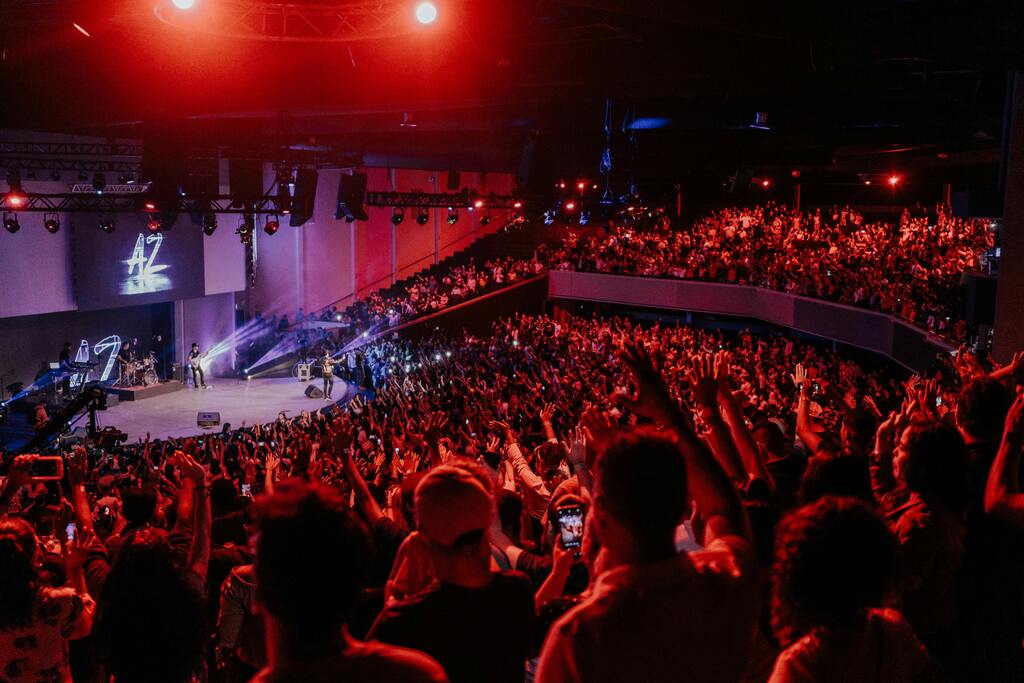
When planning a live event, it’s easy to focus on the visible details décor, lighting, performers and guest experience. However, one of the most important elements is often overlooked: professional PA setup. Clear, reliable sound is what connects your audience to the event. Whether it’s a wedding speech in Sunderland, a live band in Newcastle or a community event in Durham, poor audio can quickly damage the overall experience. In this article, we explain why professional PA setup is essential for successful live events.


1. Sound Quality Impacts the Entire Event

Sound is not just background noise, it shapes how people experience your event. If guests struggle to hear speeches, if music sounds distorted, or if there’s constant feedback from microphones, the atmosphere immediately suffers.


Professional setup ensures:

  • Clear, balanced audio
  • Even sound coverage
  • Proper volume levels
  • Reduced distortion


High-quality sound creates confidence, comfort and enjoyment for your guests.


2. Correct Equipment Selection

Not every event requires the same type of equipment. A small indoor gathering may need a compact speaker system, while a large outdoor event requires more powerful speakers, subwoofers and additional support equipment.


Professional setup includes:

  • Assessing venue size
  • Understanding guest numbers
  • Matching equipment to event type
  • Planning speaker placement


Using the wrong equipment either underpowered or oversized can negatively affect performance.


3. Proper Speaker Placement

Even the best PA system can perform poorly if it’s positioned incorrectly.


Incorrect placement may cause:

  • Uneven sound distribution
  • Areas that are too loud
  • Dead spots where guests can’t hear clearly
  • Echo and feedback issues


Professional installers understand how sound travels within different environments. They position speakers strategically to ensure balanced coverage across the entire venue.


This is especially important in:

  • Large halls
  • Marquees
  • Outdoor spaces
  • Venues with unusual layouts


Correct placement improves clarity without needing excessive volume.


4. Avoiding Feedback and Technical Issues

Microphone feedback is one of the most common problems at live events. That sudden high-pitched squeal can interrupt speeches, distract audiences and damage the professional feel of the event.


Professional setup helps prevent:

  • Feedback loops
  • Signal interference
  • Connection failures
  • Power issues


Proper gain structure, microphone positioning and sound balancing are key to avoiding these problems. Experienced technicians also know how to troubleshoot quickly if something unexpected happens.


5. Seamless Transitions During the Event


Live events often include multiple elements:

  • Speeches
  • Background music
  • Performances
  • DJ sets
  • Announcements


Smooth transitions between these elements are essential. Without professional oversight, switching between microphones, music sources and live performers can lead to delays or awkward pauses.


Professional setup ensures:

  • Quick input changes
  • Balanced audio levels
  • No sudden volume spikes
  • Smooth, uninterrupted flow


This keeps the event feeling polished and organised.


6. Equipment Safety and Reliability

Live events can run for several hours, placing strain on audio equipment.


Poor setup increases the risk of:

  • Overheating
  • Cable damage
  • Loose connections
  • Electrical faults


Professional installation ensures:

  • Proper cable management
  • Safe power distribution
  • Secure equipment placement
  • Adequate ventilation


This reduces risk and improves long-term equipment reliability.


7. Peace of Mind for Organisers

Perhaps the most important benefit of professional PA setup is peace of mind. Event organisers already have multiple responsibilities. Worrying about sound levels, microphone issues or technical problems adds unnecessary stress.


With professional support:

  • Equipment is delivered and installed correctly
  • Audio is monitored throughout the event
  • Problems are resolved quickly
  • You can focus on hosting or enjoying the occasion


Confidence in your technical setup allows you to concentrate on what matters most, your guests and the experience.


8. Creating a Professional Atmosphere

High-quality audio enhances the perception of your event. Clear speeches feel more impactful. Music sounds richer and more engaging. Performances feel more immersive.


Professional sound setup contributes to:

  • A premium atmosphere
  • Better audience engagement
  • Stronger overall event impression


Whether it’s a private celebration or a public event, quality audio reflects positively on the organiser.


Final Thoughts

Professional PA setup is about more than just plugging in speakers. It involves understanding the venue, selecting the right equipment, positioning speakers correctly and managing sound throughout the event.


Investing in professional setup ensures:

  • Clear, reliable audio
  • Smooth event flow
  • Reduced technical risks
  • A better experience for your guests


If you’re planning a live event in Sunderland, Newcastle, Durham or anywhere in the North East, expert support can make all the difference.


Need professional PA hire or equipment repairs in the North East? Contact Amplified Stage today for expert support.
PA Hire in Sunderland: What to Consider Before Booking

Hiring a PA system may seem straightforward, but choosing the right provider can make a significant difference to your event. Whether you’re planning a wedding, birthday party, corporate function or community event in Sunderland, reliable sound is essential. Before booking PA hire, there are several important factors to consider. Taking the time to ask the right questions will help ensure your event runs smoothly and sounds professional from start to finish.


1. Understand Your Event Requirements

The first step is understanding exactly what your event needs.


Ask yourself:

  • How many guests are attending?
  • Is the event indoors or outdoors?
  • Will there be speeches, live music or just background music?
  • Do you need microphones?


A small indoor celebration may require a simple speaker setup, while a larger venue or outdoor event will need a more powerful system with additional equipment. Being clear about your requirements helps avoid underpowered sound or unnecessary costs.


2. Venue Size and Layout

Not all venues are the same.


Sound behaves differently depending on:

  • Room size
  • Ceiling height
  • Surface materials (wood, glass, carpet, etc.)
  • Open or enclosed spaces


For example, large halls may create echo, while outdoor events require stronger sound projection.


A professional PA hire provider will assess your venue and recommend the appropriate equipment to ensure balanced sound coverage across the entire space.


3. Equipment Quality and Maintenance


When booking PA hire in Sunderland, don’t hesitate to ask about equipment quality.


Professional systems should be:

  • Well-maintained
  • Tested regularly
  • Free from distortion or damage
  • Suitable for the event size


Reliable equipment reduces the risk of technical problems during your event. Poorly maintained speakers or cables can result in crackling audio, sudden power loss or reduced sound clarity. Choosing a provider that maintains their equipment properly gives you confidence on the day.


4. Do You Need Delivery and Setup?

One of the most important considerations is who will handle setup. While some smaller events may allow for self-setup, larger or more formal events benefit greatly from professional installation.


Delivery and setup services typically include:

  • Transporting equipment to the venue
  • Safe and secure installation
  • Proper speaker positioning
  • Cable management
  • Sound testing before the event begins


Professional setup reduces stress and ensures the system is optimised for your venue.


5. Is Technical Support Available?

Live events can be unpredictable. Microphones may need adjusting, music levels may need balancing or unexpected issues may arise.


Before booking, ask:

Is on-site technical support available?

Is a sound engineer included in the package?

What happens if equipment fails?


Having access to technical support provides peace of mind, especially for weddings, corporate events and live performances.


6. Transparency in Pricing

Clear and transparent pricing is essential when hiring PA equipment.


Before confirming your booking, make sure you understand:

  • What equipment is included
  • Whether delivery and collection are included
  • Whether setup is included
  • Any additional costs for extended hire


Avoid providers that offer vague or unclear pricing. A professional company will provide a clear quote based on your specific requirements.


7. Local Experience Matters

Choosing a local PA hire provider in Sunderland has advantages.


A local company:

  • Understands popular venues in the area
  • Can respond quickly if needed
  • Provides more reliable scheduling
  • Builds long-term relationships within the community


Local experience often means smoother logistics and better service.


8. Check Reviews and Reputation

Before booking, take time to review testimonials or online feedback.


Look for comments about:

  • Reliability
  • Sound quality
  • Professionalism
  • Communication
  • Punctuality


Positive reviews can give reassurance that you’re choosing a trusted provider.


9. Plan Ahead

PA hire can book up quickly, especially during wedding season and summer events.


Booking early ensures:

  • Equipment availability
  • Time for proper planning
  • Reduced last-minute stress


Leaving arrangements too late may limit your options or increase costs.


Final Thoughts

Hiring the right PA system in Sunderland involves more than just renting speakers. It requires careful consideration of your venue, guest numbers, equipment quality and technical support needs. By asking the right questions and choosing a professional provider, you can ensure your event runs smoothly and sounds exceptional. Reliable sound enhances speeches, energises music and creates a more enjoyable experience for your guests.


Need professional PA hire or equipment repairs in the North East? Contact Amplified Stage today for expert support.

When Should You Repair vs Replace Audio Equipment

Audio equipment is an investment. Whether you own speakers, amplifiers, mixing desks or microphones, keeping your system in good condition is essential for reliable performance. But when something stops working properly, the big question becomes:


Should you repair it or replace it?


Making the right decision can save you money, reduce downtime and protect the quality of your sound. In this guide, we’ll break down when repair makes sense and when replacement is the smarter option.


1. Consider the Age of the Equipment

The age of your equipment plays a major role in the decision.


  • Equipment under 5 years old is often worth repairing
  • Mid-life equipment (5–10 years) depends on condition
  • Equipment over 10 years may be less cost-effective to fix


Technology improves quickly. Older systems may lack modern efficiency, sound clarity or connectivity options. However, if the equipment is still performing well overall and the issue is minor, repair is often the practical solution.


2. Assess the Type of Fault

Not all faults are equal.


Minor Issues (Usually Worth Repairing)

  • Loose connections
  • Damaged cables
  • Blown fuses
  • Faulty input sockets
  • Minor speaker cone damage


These types of problems are typically inexpensive to fix and don’t require full system replacement.


Major Issues (May Require Replacement)

  • Burnt-out amplifiers
  • Repeated internal circuit failures
  • Severe water damage
  • Extensive speaker coil damage
  • Obsolete replacement parts


If internal components are heavily damaged or parts are no longer available, replacement may be more sensible.


3. Compare Repair Cost vs Replacement Cost

A common guideline used in the industry:

If repair costs exceed 50% of the replacement cost, consider replacing.


For example:

  • £150 repair on a £800 speaker = Repair makes sense
  • £300 repair on a £400 speaker = Replacement likely smarter


However, price is not the only factor. Consider performance value and reliability too.


4. Has the Equipment Failed Before?

Repeated breakdowns are a warning sign.


If your equipment:

  • Has been repaired multiple times
  • Frequently overheats
  • Produces distorted or inconsistent sound
  • Causes event interruptions


It may be time to replace rather than continue repairing. Constant repairs can become more expensive over time than investing in new, reliable equipment.


5. Consider Performance and Sound Quality

Sometimes equipment still works but performance has declined.


Signs of ageing audio equipment include:

  • Reduced clarity
  • Lower output levels
  • Increased background noise
  • Distortion at moderate volume
  • Connectivity limitations (no Bluetooth/XLR upgrades)


If your equipment no longer meets the demands of modern events, replacement may provide better long-term value.


6. Availability of Spare Parts

For older models, spare parts can be difficult or impossible to source.


If:

  • The manufacturer has discontinued support
  • Replacement components are rare
  • Repairs require custom fabrication


The repair process may become expensive and unreliable. In these cases, upgrading to newer equipment ensures easier maintenance and better long-term support.


7. Downtime and Event Reliability

If you rely on your equipment for:

  • Weddings
  • Corporate events
  • Live performances
  • Regular venue hire


Reliability is critical. A repaired system that fails during an event can damage your reputation. If your equipment is essential for business, replacement may offer peace of mind and reduced risk.


8. Environmental Considerations

Repairing equipment is often the more sustainable choice.


Extending the life of audio systems:

  • Reduces electronic waste
  • Lowers manufacturing demand
  • Saves resources


If the repair is minor and cost-effective, it’s often better environmentally to repair rather than replace.


9. Professional Assessment Matters

Before deciding, it’s always best to get a professional evaluation.


A qualified technician can:

  • Diagnose the true cause of the issue
  • Identify whether internal damage is spreading
  • Estimate accurate repair costs
  • Advise on long-term reliability


Sometimes what appears to be a major fault may only require a simple fix.


Quick Decision Guide


Here’s a simple breakdown:


Repair if:

  • The equipment is under 5–7 years old
  • The fault is minor
  • Repair cost is under 50% of replacement
  • Parts are easily available
  • The system has been reliable historically


Replace if:

  • The equipment is old and outdated
  • Major internal damage has occurred
  • Repairs are frequent
  • Replacement cost is close to repair cost
  • You need improved performance


Final Thoughts

Deciding whether to repair or replace audio equipment depends on cost, age, reliability and performance needs. In many cases, professional repair can restore your system and extend its lifespan significantly. However, if faults are recurring or technology has moved on, investing in new equipment may be the smarter long-term choice. Carefully weighing your options ensures you maintain high sound quality without unnecessary expense.


Need professional PA hire or equipment repairs in the North East? Contact Amplified Stage today for expert support.